Paint vs. Stain: Which Is Best for Decks, Fences, and Porches?
People searching for paint vs. stain: which is best for decks, fences, and porches? local contractors can help determine the best finish to protect and enhance your outdoor surfaces.
Anyone considering updates to their outdoor wood features might find themselves weighing the benefits of paint versus stain for decks, fences, and porches. Choosing the right finish can significantly impact the appearance, durability, and maintenance needs of these structures. Property owners in the area often explore this topic to ensure their outdoor spaces remain attractive and protected against the elements, making it a common concern for those looking to refresh or preserve their homes’ exteriors.
Understanding the differences between paint and stain helps determine which option aligns best with personal preferences and practical needs. Local contractors specializing in deck, porch, and fence painting or staining can provide valuable guidance tailored to the specific material and style of each project. Keep reading to discover key considerations that can help in making an informed decision for enhancing outdoor living spaces.
- Deck staining or painting services are often needed when decks show signs of weathering or fading, with local contractors helping clients choose the best finish for durability and appearance.
- Fence staining or painting is common when fences need protection from the elements or a fresh look, and service providers can advise on whether stain or paint offers better longevity.
- Porch staining or painting is sought after when porches require a protective coating or aesthetic update, with local pros tailoring their approach to the material and desired outcome.
- Deck, fence, and porch painting services are frequently requested by homeowners considering paint vs. stain, as local contractors help determine the most suitable option based on material and exposure.
- Staining services for decks, fences, and porches are chosen when a natural look or weather resistance is prioritized, with local pros applying stains that enhance and protect the wood surfaces.
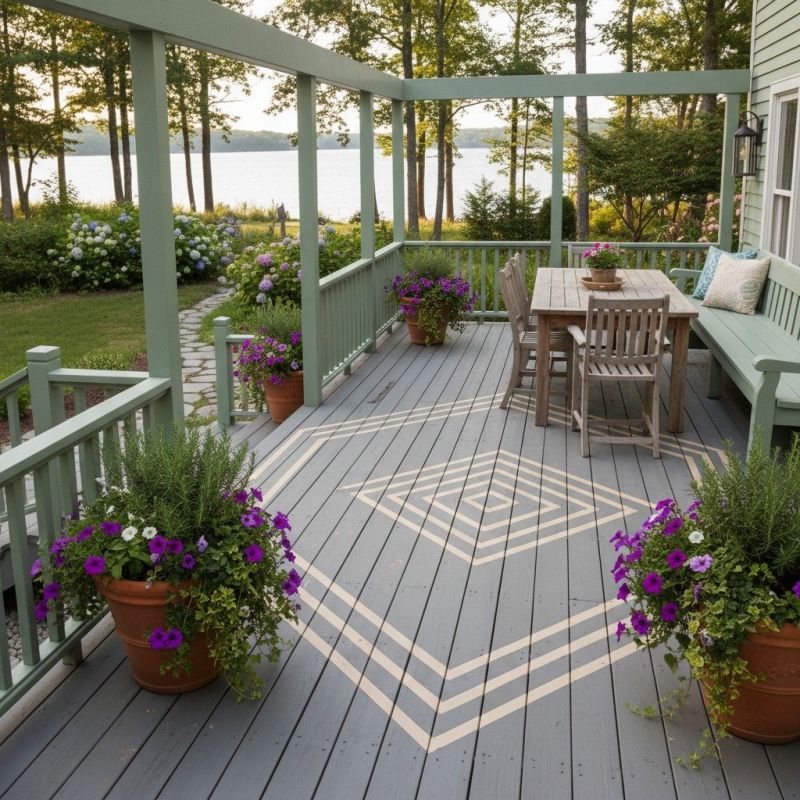
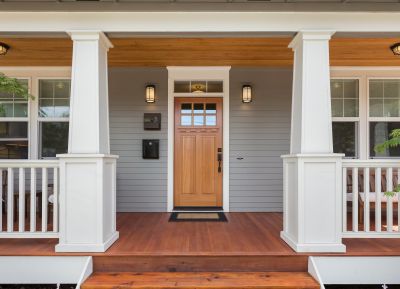
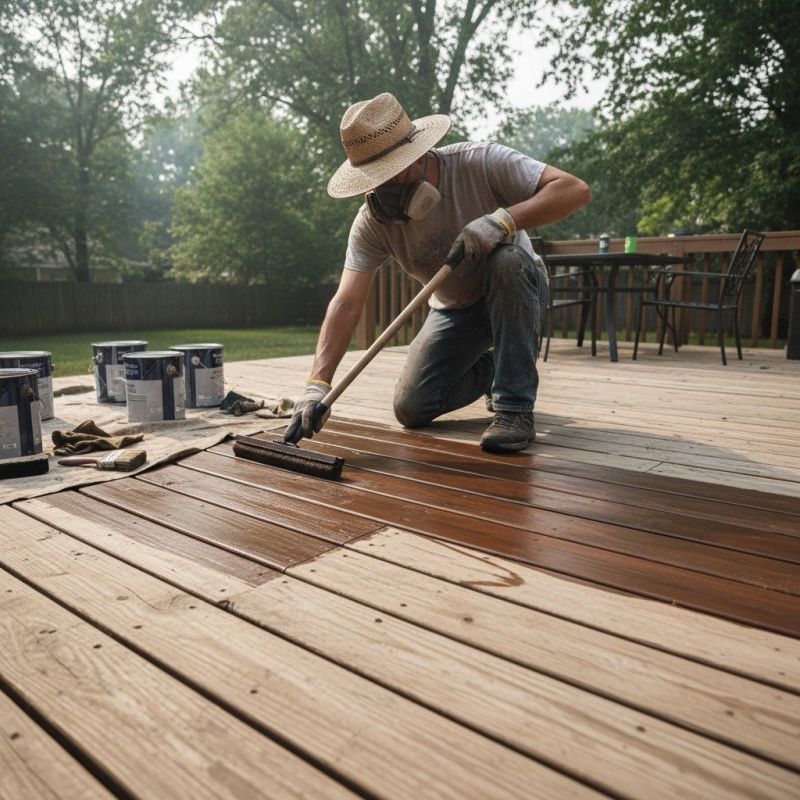
When homeowners search for information about paint vs. stain for decks, fences, and porches, they are typically trying to determine which product will best protect and enhance their outdoor structures. This topic often comes up during planning or maintenance phases, especially when a property owner notices signs of wear or wants to refresh the look of their outdoor wood surfaces. The choice between paint and stain is a common concern because it directly impacts the appearance, durability, and maintenance needs of these features. Homeowners may also be considering how each option fits with their style preferences, whether they want a more uniform, polished look or a more natural, textured appearance that shows the wood grain.
This subject is closely related to broader projects involving property upkeep or aesthetic improvements. Many property owners are interested in prolonging the lifespan of their decks, fences, and porches, which are often exposed to the elements and subject to weathering. Problems like peeling paint, fading stain, or wood rot can prompt questions about which product provides better long-term protection. Additionally, property owners may be planning to upgrade or replace existing structures and want to understand how paint or stain can influence the overall look and maintenance schedule. These projects often involve assessing the current condition of the wood and choosing a solution that balances visual appeal with durability.
The types of properties that commonly come up in these discussions include residential homes with wooden decks, picket fences, and porches, as well as multi-family buildings or rental properties with similar structures. These properties tend to have outdoor wood features that require regular upkeep to maintain their appearance and functionality. The climate and local weather conditions also play a significant role in determining which product is more suitable, as some areas experience more rain, humidity, or sun exposure. Homeowners with larger yards or properties with multiple outdoor structures often seek guidance from local contractors who specialize in deck, porch, and fence painting or staining, to ensure the right products are used for each specific application.
Understanding the differences between paint and stain helps property owners make informed decisions that align with their goals for appearance, protection, and maintenance. Local service providers who specialize in deck, porch, and fence finishing can assess the specific needs of each project, considering factors like wood type, exposure, and desired look. They can advise on whether paint’s opaque coverage or stain’s natural finish best suits the property’s style and longevity requirements. Connecting with experienced contractors ensures that the chosen product is applied correctly, maximizing the lifespan of outdoor wood features and helping homeowners achieve the desired aesthetic with minimal hassle over time.
Fence staining projects involve preparing and applying protective finishes, similar to deck and porch treatments, requiring knowledge of surface types and weather considerations.
Exterior wood refinishing services include stripping, sanding, and finishing wood surfaces, which are essential skills for maintaining decks, fences, and porches.
Surface preparation for outdoor wood projects involves cleaning, sanding, and priming, skills that are common across deck, porch, and fence staining or painting jobs.
Wood restoration services focus on repairing and revitalizing aged or damaged wood surfaces, paralleling the work needed for decks, fences, and porches before finishing.
Protective coating application on various outdoor structures requires an understanding of different finishes, similar to choosing between paint and stain for decks and fences.
Exterior wood sealing and waterproofing projects share planning and application techniques with paint vs. stain decisions for outdoor structures like porches and fences.
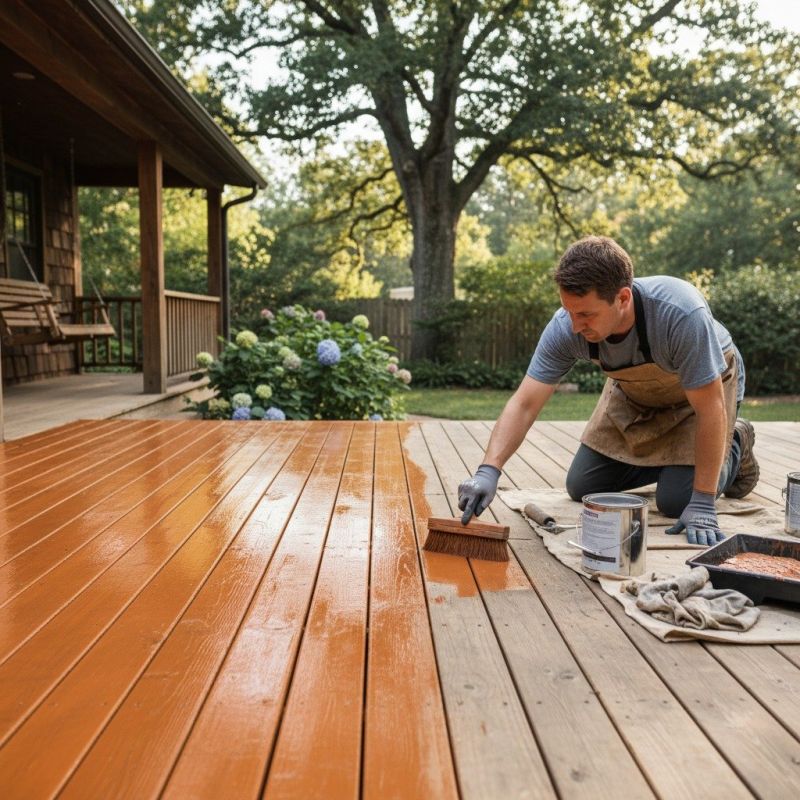
When evaluating contractors for paint or stain services on decks, fences, and porches, it’s important to consider their experience with similar projects. Service providers who have a history of working on outdoor wood surfaces can better understand the nuances of different materials and finishes. They are more likely to be familiar with the specific preparation, application techniques, and types of products that work best for each surface, ensuring a durable and attractive result. Asking about past work on comparable projects can help gauge their expertise and confidence in handling the unique challenges associated with painting or staining outdoor wood features.
Clear written expectations are essential when comparing local contractors for deck, porch, or fence finishing projects. A reputable service provider should be able to explain the scope of work, including surface preparation, the type of finish recommended, and the expected outcome. This clarity helps prevent misunderstandings and ensures that both parties are aligned on the project’s goals. When reviewing proposals or estimates, it’s beneficial to look for detailed descriptions that outline the work process, materials to be used, and any warranties or guarantees offered, providing a transparent basis for decision-making.
Reputable references and strong communication are key indicators of a dependable contractor. Service providers with positive feedback from previous clients and a history of completing projects on time and to satisfaction are more likely to deliver quality results. Good communication involves responsiveness, clarity, and a willingness to answer questions or address concerns throughout the process. When comparing local contractors, it’s helpful to inquire about references or reviews and observe how promptly and clearly they communicate during initial discussions. These factors contribute to a smoother experience and greater confidence in choosing the right professional for painting or staining decks, fences, and porches.
Property owners often search for paint vs. stain: which is best for decks, fences, and porches? when they are planning practical projects around their homes and businesses. Local pros provide Deck, Porch, and Fence Painting or Staining services for everyday jobs and straightforward project options.
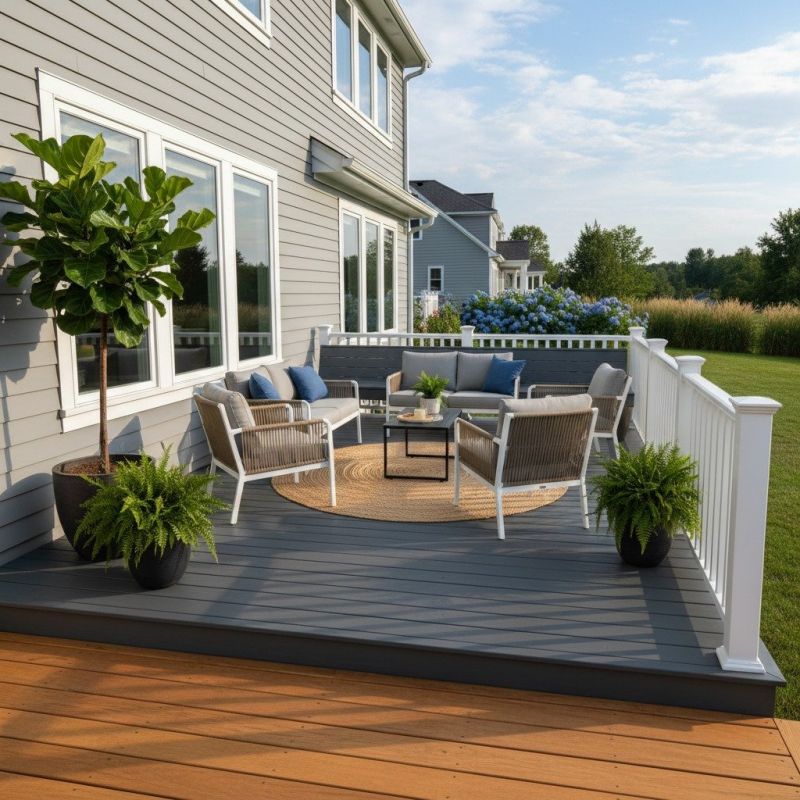
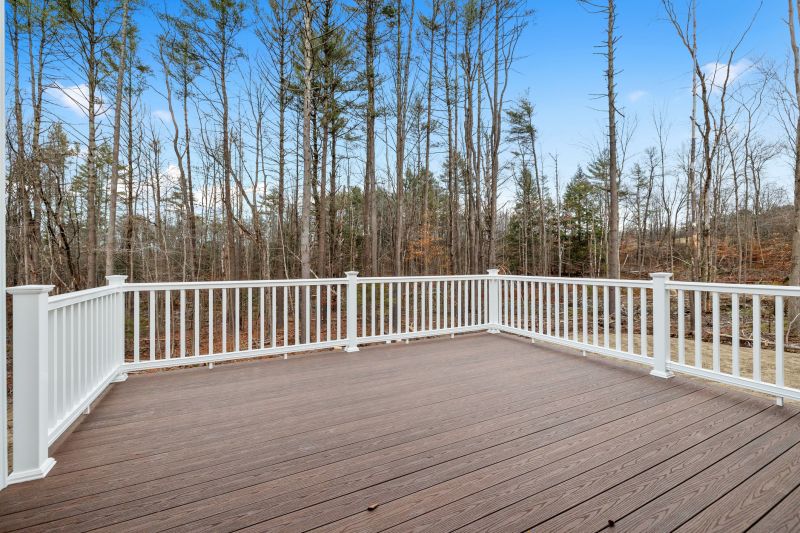
When considering paint vs. stain: which is best for decks, fences, and porches, property owners often look for simple solutions to enhance curb appeal and protect outdoor wood surfaces. Many in the community seek guidance on whether a painted finish or a stained look will provide longer-lasting results and better suit their style preferences. Local contractors who specialize in deck, porch, and fence projects can help evaluate the specific needs of each surface, offering advice on durability, appearance, and maintenance to ensure the right choice is made.
Property owners frequently explore their options when planning to refresh or protect outdoor structures, especially after noticing wear or discoloration. They may wonder whether paint or stain will better withstand weather conditions and regular use, or if one option offers easier upkeep. Service providers experienced in these types of projects can assist in making an informed decision, providing professional application that aligns with the desired aesthetic and functional goals for decks, fences, and porches.
What is the main difference between paint and stain for decks, fences, and porches? Paint forms a solid coating that covers the surface completely, offering a uniform appearance, while stain penetrates the material to highlight natural grain and texture. Local contractors can help determine which option best suits the material and desired look for your outdoor structures.
Which option is more durable for outdoor wood surfaces: paint or stain? Generally, paint tends to be more resistant to chipping and peeling, providing longer-lasting coverage, whereas stain may require more frequent reapplication. Service providers can advise on the best choice based on the specific material and exposure conditions.
Can paint or stain help protect decks, fences, and porches from weather damage? Yes, both can offer protective benefits; paint creates a barrier against moisture and UV rays, while stain penetrates to protect the wood from within. Local pros can recommend treatments that maximize protection for your outdoor surfaces.
Is it easier to maintain painted or stained decks, fences, and porches? Stain generally requires less preparation for touch-ups and can be easier to maintain, while painted surfaces may need more frequent scraping and repainting. Professional service providers can assist with proper maintenance techniques.
How do I decide whether to choose paint or stain for my outdoor wood surfaces? The decision depends on factors like desired appearance, durability, and maintenance preferences. Consulting with local contractors can help identify the best option for your specific deck, fence, or porch based on their experience and your goals.
Choosing the right finish for outdoor wood surfaces - property owners can explore options with local contractors to determine whether paint or stain provides the desired look and protection for decks, fences, and porches. Assessing durability and maintenance needs - local service providers can advise on which product withstands weather conditions and aging better for specific outdoor areas. Matching colors and styles to outdoor aesthetics - homeowners can work with local pros to select finishes that complement their property's design while considering long-term upkeep. Preparing surfaces properly before application - property owners can learn from local experts about cleaning and prepping to ensure the best results with either paint or stain.
If you are thinking about paint vs. stain: which is best for decks, fences, and porches? for a property, this guide is meant to help you understand this topic, the typical project types, and how different options might fit your plans.
When you are ready, you can use the quote form on this page to share a few details about your project. From there, local pros can review the basics and follow up with options that match what you have in mind.